Children’s Recreation in Nature: A Vital Path to Boost Children’s Physical and Mental Health
In today’s context, the idea of children enjoying nature seems like a distant memory, often associated with our own childhood experiences. Perhaps the children of the late twentieth century were the last generation to truly engage in physical activities and outdoor play. Unfortunately, the significance of children’s recreation has drastically changed in recent decades. The great outdoors has been replaced by electronic devices, leaving little room for children to play with their parents. According to contemporary psychologists, this shift in children’s recreational habits has had dire consequences. The rise in conditions like ADHD, autism, communication difficulties, and internet addiction among children is just a glimpse of this crisis.
To prevent these abnormalities, we must emphasize the importance of children’s recreation and raise awareness about the best recreational practices for them. In this article, we aim to enhance your understanding of the significance of children’s recreation and provide effective strategies for nurturing your beloved child’s growth.
Children’s Recreation: A Time-Honored Concept
You might think that the importance of children’s recreation is relatively new. However, historical evidence suggests that even in ancient times, people recognized the value of children’s recreation.
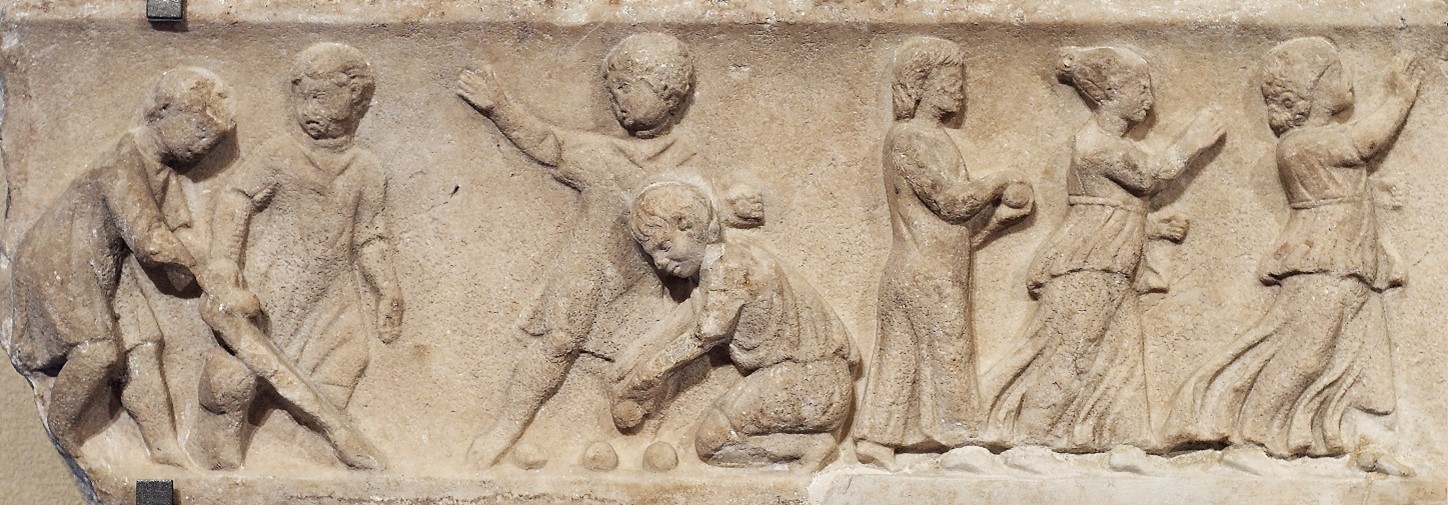
Petroglyphs discovered from ancient times show the importance of children’s entertainment.
For instance, Jean-Jacques Rousseau, a pioneer in developmental psychology, emphasized the need to prioritize children’s recreation in nature. Indeed, outdoor play serves as a pathway for children to explore the world through their senses, cultivate curiosity, and develop an adventurous spirit.
Unfortunately, this essential aspect of upbringing has been overshadowed by modernity.
Undoubtedly, one of the important educational issues that has been emphasized throughout the ages is the connection between man and nature. The child psychologist Montessori believed that the advent of modern schools and societies would make the value of children’s recreation in nature forgotten. This psychologist believed that the child needs a connection with nature more than anything else. Children’s fun in nature makes them spontaneously relax and observe the world around them.
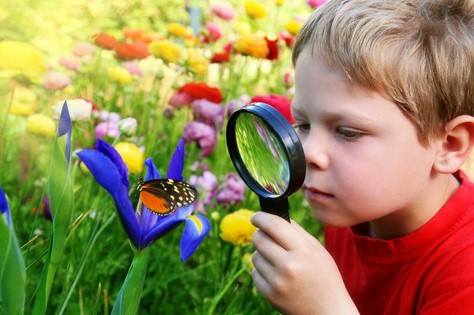
Children’s fun in the heart of nature makes them full of joy and wonder at the sight of a flower, an animal, or even an insect. This arousal of emotions, in addition to cultivating their five senses and their cognitive intelligence, fosters in them a love of life.
Therefore, if you want to plant the love of life in your child’s heart, put children’s fun in nature in your child’s educational plan.
Electronics: The Silent Threat to Parent-Child Bonds
Tablets, mobile phones, and other electronic gadgets have silently disrupted parent-child interactions. Regrettably, spending quality time with children has become increasingly rare due to these devices. Each year, the age at which children start using mobile phones and tablets decreases. Despite the alarming consequences, this issue is not taken seriously enough.
As we mentioned earlier, introducing electronics to children at a young age hinders parent-child bonding and playtime. Let’s recognize the hidden danger and prioritize meaningful interactions over screens.
This issue inherently disrupts the formation of secure attachment between children and parents. It also deprives them of the sense of having a safe haven. The lack of interaction with parents through play leads to a failure in learning initial social connections and an inability to understand emotions and facial expressions. Unfortunately, this very issue is the groundwork for the emergence of autism.
Therefore, designing recreational activities for children without mobile phones, tablets, and gaming consoles is an essential step that should be considered in the importance of children’s recreation.
Physical and movement-based activities are a necessary component of designing beneficial recreation.
As we previously understood, children’s recreation without mobile phones, tablets, and gaming consoles is an effective step toward healthy recreation. In the next stage, engaging children in physical activities is crucial.

Physical and movement-based recreation, alongside children’s outdoor recreation, is a golden path for child development.
Nature provides a safe platform for nurturing healthy and happy children!
Undoubtedly, you have recognized the importance of recreation in child upbringing. Now it’s time to provide a golden solution for creating suitable recreational activities for your child. First and foremost, take children’s recreation without mobile phones, tablets, and gaming consoles seriously. Nothing can replace playing with parents and spending time with children. Playing harmoniously with children from an early age remarkably contributes to cognitive and emotional growth and fosters secure attachment.
Furthermore, always consider your child’s human nature in their upbringing. Since human essence is intertwined with nature, children’s recreation in nature is a fundamental aspect that promotes their growth. So, take away electronic devices from your child and replace them with outdoor recreation.
Also, keep in mind that movement-based and physical activities in nature can rejuvenate both your child’s and your own vitality. If your beloved child spends most of the day in a sedentary state, it’s time to get them out of that situation. Even if you can’t travel to nature, spending time in a park or garden can be an effective step.
Lastly, childhood is fleeting, but it lays the foundation for an individual’s future. Therefore, the recreational choices and lifestyle you consider for your child will shape their life. Any negligence in these areas can have irreversible effects on your child and their future.